
Crypto words sound like a totally different language when you first hear them. You open a site to read about digital money, and suddenly people are talking about HODL, gas fees, and whales. It feels like everyone else got a dictionary that you never received.
The secret is that most of these terms represent very simple ideas from everyday life. Once you translate the jargon into plain words, the whole market makes much more sense. You do not need a degree in math to understand how this money works, just a quick guide to the basic terms.
Let us break down the most common terms you will see every day. Knowing these words helps you read the news, talk to friends, and avoid basic mistakes if you decide to explore digital coins.
Basic Words About Money and Coins
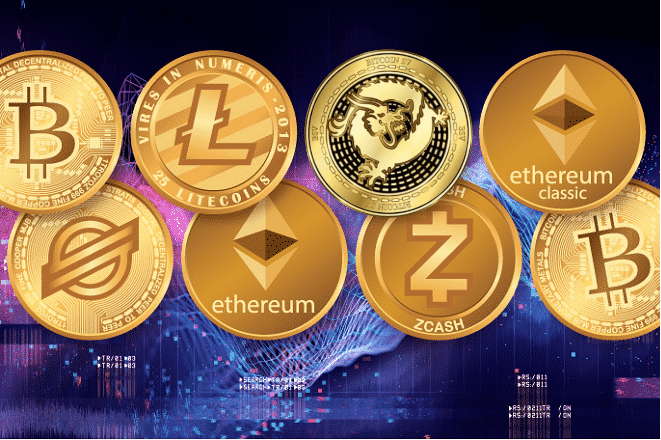
The first set of words covers the actual items you buy, sell, or trade. You will hear people talk about coins, tokens, and altcoins all the time. They sound like the same thing, but they have small differences that matter.
A coin is digital money that has its own independent system. Bitcoin is the best example of this. It runs on its own computer network without relying on anyone else. A token is different because it lives on top of a system that someone else already built. Think of a token like an arcade ticket. You can use that ticket inside the arcade for games, but it runs inside the building someone else owns.
Altcoin simply means any coin that is not Bitcoin. The word comes from combining alternative and coin. When Ethereum came out in 2015, people called it an altcoin. Today there are thousands of altcoins. Some aim to act like fast money, while others help run online applications.
Fiat money is another word you will see a lot. Fiat is just normal cash backed by a government. Your paper dollars, euros, or yen are all fiat money. When you move your funds from a bank account to buy digital coins, you are swapping fiat money for digital assets.
Words About Buying, Selling, and Storing
Once you get past the names of coins, you need to know where trading happens and where money stays safe. This is where beginner mistakes happen most often, so paying attention to these terms saves you a lot of trouble later.
An exchange is an online shop where you swap normal cash for coins. You send your money to the site, choose what you want, and buy it. If you want to see how these sites match buyers and sellers behind the scenes, you can read How Crypto Exchanges Work: A Simple Step-by-Step Guide to get the full picture.
A wallet is not a leather pocket where you stuff folded cash. It is a software app or a physical USB stick that holds your private keys. A private key works just like a password to a bank account. If you lose your private key, nobody can reset it for you. There is no customer support phone line to call. If a hacker gets your key, they can take your coins, and you cannot get them back.
Public keys are completely different. A public key is like your home mailing address. You can share your mailing address with anyone so they can send you a letter. In the same way, you can share your public key with anyone so they can send you coins. You keep your private key hidden, but you share your public key freely.
You might also hear about market order and limit order. A market order means you want to buy right now at whatever price is available. A limit order means you set a specific price, and the trade only happens if the price hits your target number. Limit orders help you control your spending so you do not buy during a sudden price spike.
Slang and Community Terms You Will See Online
Online forums have their own slang. People use these short words on social media, chat groups, and news posts. If you do not know them, reading a conversation feels confusing fast.
HODL is the most famous slang word in the market. It started back in 2013 when a user wrote a forum post after drinking a bit too much. He misspelled hold as HODL while arguing that people should keep their coins instead of selling during a crash. Now, HODL means holding onto your assets for a long time, no matter how wild the price moves get.
FOMO stands for Fear Of Missing Out. You feel FOMO when you see a coin price jump up 50 percent in one day. Your brain tells you to buy quickly before it goes higher. This is dangerous because buying during a big price jump often leads to losing money when the market cools down. Smart traders watch out for FOMO and try to make calm choices based on facts, not emotions.
FUD stands for Fear, Uncertainty, and Doubt. People use this word when scary news spreads online. Sometimes FUD comes from real bad news, like a company going out of business. Other times, people spread fake FUD on purpose to lower prices so they can buy coins cheap. Learning to spot real news versus fake panic is a huge part of staying safe.
A whale is a person or company that owns a giant pile of coins. Imagine a small pool where a fish swims around without making waves. Now picture a huge blue whale jumping into that same small pool. The splash moves all the water. A crypto whale has so much money that when they buy or sell, the entire market price moves up or down instantly.
Words About the Tech Underneath
You do not need to learn how to code, but knowing a few tech terms makes reading about news much easier. The tech is what gives these digital coins their actual function.
The word blockchain means a shared digital record book. Imagine a notebook where every page lists transactions. When a page fills up with trades, it gets locked tightly and connected to the page before it. Copies of this notebook live on thousands of computers around the world at the same time. If one person tries to cheat and change a number on their copy, all the other computers check their own records and reject the fake change.
Gas fees are the small payments you make to use a network. Think of gas fees like a highway toll. When you send money to a friend or interact with a digital app, thousands of computers work to process that movement. The gas fee pays for the electricity and computer work needed to keep the system moving. When the network gets busy, gas fees go up, just like surge pricing for a taxi ride during rain.
Smart contracts are digital agreements that run on their own. Think of a smart contract like a vending machine. You put a dollar in, press a button for chips, and the machine drops the chips automatically. No human cashier stands there to check your bill or hand you the bag. A smart contract follows strict rules written in computer code. When step A happens, the program triggers step B automatically without needing a middleman like a bank or lawyer.
Mining is the process computers use to check transactions and unlock new coins. High-powered computers solve hard math puzzles. The first computer to solve the puzzle gets to add the next block of trades to the record book. As a reward for that hard work, the system gives that computer owner brand new coins. It takes a massive amount of power, which is why mining is done mostly by big computer farms today.
Words About Price Movements and Risk
Prices in this market move much faster than prices in normal stock markets. Understanding how people describe these movements helps you manage your risk carefully.
Volatility measures how fast and wild prices jump up and down. A quiet stock might move one percent in a week. A volatile coin can jump twenty percent in an hour and drop thirty percent by dinner time. High volatility means you can make money fast, but it also means you can lose your hard-earned savings just as quickly. Never put in cash that you need for rent or food tomorrow.
Bull market means prices are rising over a long period. People feel happy, news stories are positive, and everyone thinks prices will keep going up forever. Bear market is the total opposite. During a bear market, prices fall for months, bad news fills the headlines, and many people lose interest or leave the market entirely. History shows that markets always move in cycles between bulls and bears.
Market cap is short for market capitalization. It shows the total value of all the coins in existence for one project. You find this number by multiplying the current price of one coin by the total number of coins that exist. A coin might cost only one dollar, but if there are one billion of them, its market cap is one billion dollars. Looking at market cap gives you a much better picture of a project's size than just looking at the single coin price.
Liquidity describes how easily you can turn your coins back into normal cash without changing the price. High liquidity means there are thousands of people ready to trade with you right now. You can click sell and get your cash instantly. Low liquidity means very few people are trading that specific coin. If you try to sell a lot of low liquidity coins, you might have to accept a much lower price just to find a buyer.
Putting Your New Dictionary to Work
Learning these terms is like learning the rules of a new sport. You do not need to memorize every single word today, but keeping them in mind helps you read news and look around without feeling lost.
Remember that knowing the language does not make the market any less risky. Digital coins remain highly unpredictable. Projects fail, prices crash, and scams target beginner users who do not protect their private keys. You can explore our main crypto basics hub to learn more plain concepts before making any big decisions with your money.
What was the most confusing crypto word you heard this week? Take your time, search for plain definitions, and always double check your steps before sending money anywhere online.
Comments
Post a Comment